
Dear Coach,
I hope you are well. I have a question regarding youth development in squash that many parents share.
It’s not always clear what the best development pathway is for children who show a strong interest in squash prior to joining a middle or high school that has a formal program (often in private schools).
We have a young player whose primary activity until recently was a sport like soccer, which has very well-defined, competitive paths laid out even at a young age, with year-round competitive play and team structures. While we encourage trying many sports, this child (independently of any parental pressure) has recently shown a strong passion for squash. This enthusiasm is high—they are excited to attend clinics and weekend sessions, even at early morning hours.
My core question is: What options are available for a keen young player to continue developing their skills and, importantly, feel part of a team or competitive structure? Are the current group clinics the main path, or are there more formalized youth leagues or team structures? Do they have to wait until (or if) they attend a private middle or high school to get that true team-based experience?
Thank you for any insight you can provide.
Best regards,
A Concerned Parent

Programs and Team Opportunities
The Younger Years (Ages 6-9): Building the Foundation
At this age, there aren’t really any formal team experiences available yet. The path is mostly individual, so your main job is finding the right coach and program that matches where your child is developmentally.
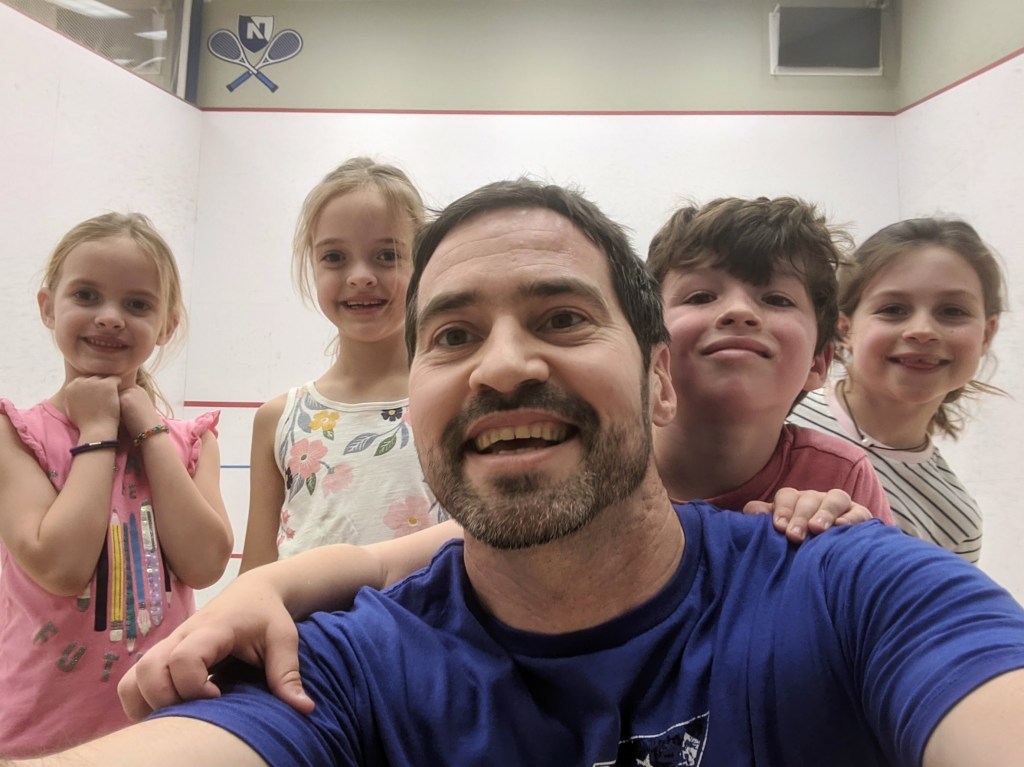
Where They’ll Play: Those structured group clinics and training squads you’re already attending? That’s the backbone of junior squash for younger kids. The best coaches have a gift for making these group sessions feel like a team—kids push each other, celebrate improvements together, and learn to compete against their own goals rather than just trying to beat the person across the court.
What They’re Learning: At this stage, it’s all about building solid fundamentals and keeping it fun. Think: proper grip, basic forehand and backhand mechanics. This usually means some private or semi-private time with a good coach who can really watch their technique.
How Often: Twice a week is a great baseline, though if your kid is bouncing off the walls to play more, go for it! Sessions can be shorter at this age—maybe 30 minutes one-on-one or up to an hour in a group. You’ll see lots of focus on agility, balance, and coordination, often with different racquets and balls (yes, even balloons for the littlest ones) to build overall athletic skills.
The Big Milestone: Here’s something most parents don’t realize at first—the serve is usually the biggest hurdle for young players. Once your child can consistently get the serve in, everything opens up. Suddenly, they can play actual games, which unlocks more group options. Many programs use this as the line between “beginner” and “early intermediate.”
What to Do Now: If your child is 8 and still struggling with the serve, I’d focus on one-on-one or semi-private coaching that really zeroes in on that skill. Once they can nail it 9 out of 10 times from both sides, they’re ready to move on to more game-based group sessions.
Ages 9-12: Game Play and Competitive Development
Once kids can serve reliably, the whole experience shifts. They move into game-based drills and structured play, and this is where you start to see the junior squash community really come alive.
Keep the Coaching Going: They should continue to play at least twice a week and take regular lessons. At this stage, a coach’s trained eye is crucial for catching things like:
- Whether their grip stays consistent
- If they’re bending their elbow on forehands (straight-arm forehands are a common bad habit)
- Whether their wrist is engaged on backhands (you’ll hear coaches talk about avoiding that “broken wrist” look)
The Tournament Circuit Becomes Your Team: Here’s where squash gets interesting. The U.S. Squash tournament circuit basically becomes the team experience. Kids train together at their home club, travel to tournaments together, and bond over the shared experience of competing. It fosters the same camaraderie and sense of belonging that you get in team sports.
Team Opportunities in Middle School (Grades 6-8)
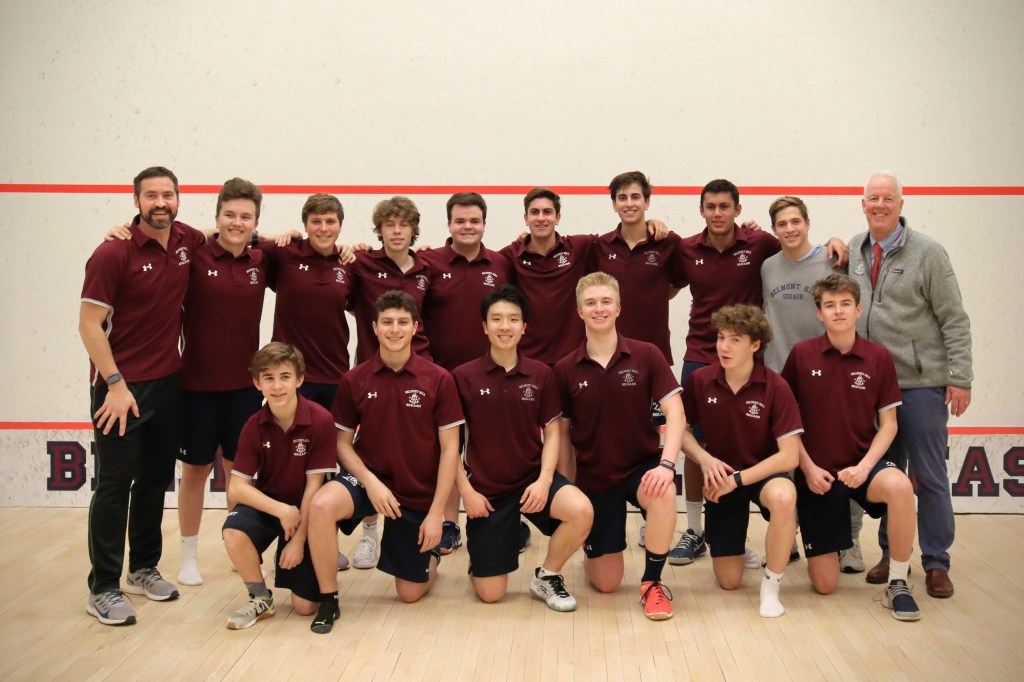
Once kids hit middle school, some actual team opportunities start appearing, especially in the Massachusetts private school system. There are several middle schools that offer high quality programming, these are some that I would recommend.
- Fessenden
- Fenn
- Milton Academy
- Nobles and Greenough
- Belmont Hill
- Dana Hall
- Acton-Boxborough (a public school option!)
High School and Beyond
High school is when team squash really takes off. Lots of private schools have strong programs, but don’t overlook the excellent public school and non-profit options:
Public Schools: Brookline, Acton-Boxborough, and Needham all have solid teams.
A Quick Note on Team Squash: One of the quirks of squash is that even though you’re competing as a team, every match is played individually. Your team’s success comes from adding up everyone’s individual wins and losses. A lot of kids really thrive in this setup—you get that supportive team environment while still having ownership over your own performance.
The Competitive Path: Tournaments
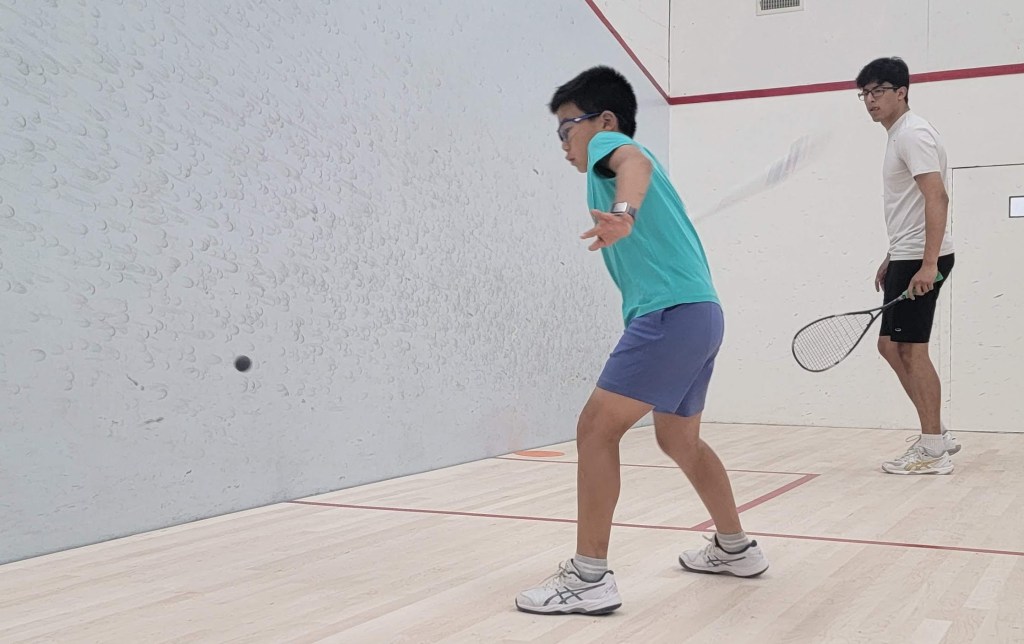
Once your child feels comfortable playing games, it’s time to think about Bronze tournaments. The U.S. Squash tournament system goes:
Bronze → Silver → Gold → JCT (Junior Championship Tour).
Starting with Bronze: Bronze events are perfect for beginners. You can find them on the U.S. Squash website, and they use first-come, first-served registration, so they’re super accessible for kids who don’t have rankings yet. After they complete a tournament, they’ll earn ranking points, which they’ll need to get guaranteed spots in Silver and Gold events down the road.
What to Do Now: If your child is 10, can serve consistently, rally for 5+ shots, and understands basic scoring, go ahead and sign them up for a Bronze tournament in the next couple of months. Win or lose, the experience is invaluable—they’ll see where their skills stack up and start building confidence in competition.
The tournament scene gives kids clear goals to work toward, a ranking system that shows their progress, and chances to meet other junior players from all over the region. Some of the best friendships in squash start at these early Bronze tournaments.

Questions? Let’s Talk!
I hope this gives you a clearer picture of the youth squash pathway. Every child’s journey is unique, and I’m always happy to chat about what might work best for your family. If you have questions or want to talk through your child’s specific situation, please don’t hesitate to reach out.
We run weekend training sessions at Jumbo Squash Academy, and we’d love to have your young player join us. Whether they’re just starting out or looking to take their game to the next level, we’re here to support them on their squash journey.
Feel free to contact me: garygargan@gmail.com
Looking forward to seeing you on the courts!
 Jumbo Squash Academy
Leave a comment